

The article provides guidance for customers currently using the Classic API Data Protection for Microsoft 365 Teams. It outlines a clear process for migrating to the enhanced Next Generation API Data Protection, which offers improved performance and functionality. The migration involves key steps, including preparation, configuration updates, and verification, ensuring a smooth transition to the more advanced platform.
Migration Steps
Here are the broad steps to migrate your classic Microsoft 365 Teams instance to Next Generation.
-
Create a new Next Generation API Data Protection Microsoft 365 Teams instance. To learn more: see sample video.
At the time this video was recorded, the instance setup flow for Microsoft 365 Teams was different. Since then, the setup process has been updated. For the most current and accurate configuration steps, see Configure Microsoft 365 Teams for the Next Generation API Data Protection. -
Disable the existing classic API Data Protection policies from Policies > API Data Protection > SAAS > Classic.

-
Create new policies on Next Generation API Data Protection from Policies > API Data Protection > SAAS > Next Gen. To learn more: see sample video.
-
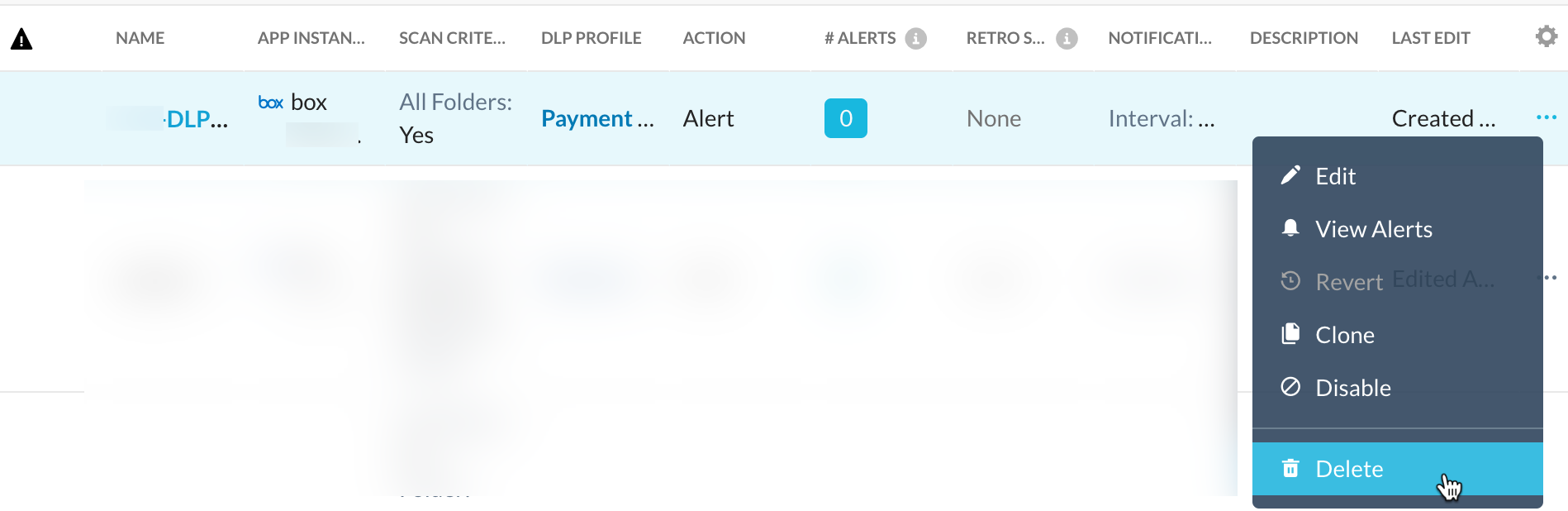
Delete the existing classic API Data Protection policies from Policies > API Data Protection > SAAS > Classic.
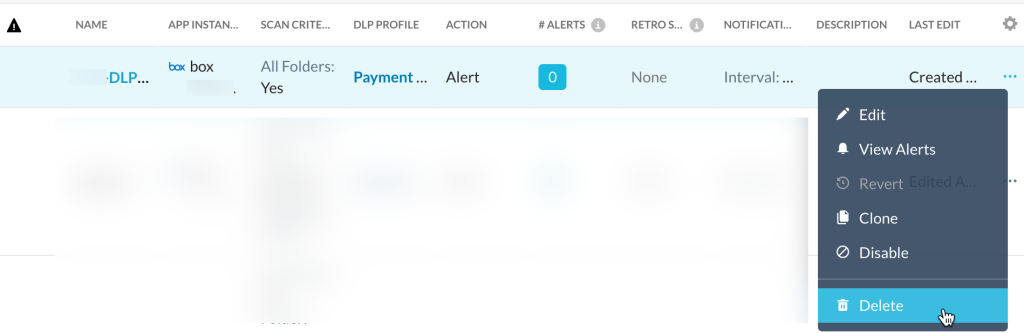 Running Classic and Next Generation policies simultaneously can lead to unexpected behavior if legal hold or quarantine profiles exist on both platforms. Additionally, this setup risks upstream throttling due to rate limits, potentially interrupting all protections. Therefore, Netskope strongly discourages running Classic and Next Generation policies and legal hold/quarantine profiles concurrently.
 -
Wait for six months or the duration of your incident retention period. Consult your Netskope sales representative to confirm the exact retention period. During this time, you can manage incidents and work with quarantined files.
-
Delete the classic Microsoft 365 Teams instance. To do so, navigate to Settings > Configure App Access > Classic, select the Microsoft 365 Teams app, then click the Remove Instance icon to delete the app instance.



To learn more about the Next Generation API Data Protection feature matrix per cloud app, see Next Generation API Data Protection Feature Matrix per Cloud App.